
No two game accounts are ever the same, even when players start with the same character and the same rules. Small choices stack up over time. Skills picked, items kept, trades made, and hours logged all leave a trace. Together, these traces form a digital identity that is as personal as a fingerprint.
Online games have quietly become systems of identity. A Diablo II account, for example, carries a full history of play. Builds evolve, inventories change, and progress reflects taste and risk. When players buy Diablo 2 items, they add another layer to that identity. The account shifts, just like a body adapts to its environment.
Character Builds as Genetic Code
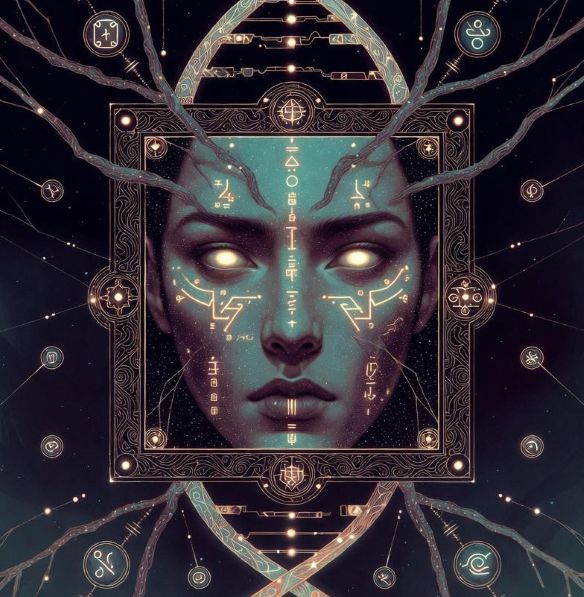
Biology starts with DNA. Games start with base stats and skill trees. From that shared starting point, divergence begins fast. One player invests in raw damage. Another leans into defense or support. Over time, these choices lock in strengths and weaknesses.
A finished character build works like a genetic code. It defines what the character can do and how it survives. Even small decisions matter. A single skill point can change combat style. Once committed, the build tells a story about patience, planning, or impulse.
Items as Digital Traits
Items act like visible traits. Gear choices shape how a character looks and performs. Runes, charms, and rare drops add layers of difference. Two characters with the same class can feel worlds apart because of what they carry.
This is where digital identity becomes social. Other players recognize value at a glance. A rare item signals experience or luck. A carefully tuned setup shows knowledge of the game’s systems. When players choose to buy Diablo 2 items, they are not skipping identity. They are reshaping it with intention.
Account History Leaves a Permanent Mark
Genes carry history. So do accounts. Every trade, dungeon run, and upgrade leaves data behind. Playtime shows commitment. Seasonal events show timing. Old items reveal when a player was active and what mattered at that moment.
Even mistakes become part of the record. A bad trade or a failed build still shapes what comes next. Like scars or habits, these moments define future decisions. Digital identity is not static. It grows through experience.
Marketplaces as Evolutionary Pressure
In nature, environments push species to adapt. In games, marketplaces do the same. Player-driven economies reward certain builds and items. Prices rise and fall. Meta shifts force players to rethink their approach.
Platforms that support trading turn identity into something flexible. Players respond to demand. They specialize, experiment, or rebuild. The ability to buy Diablo 2 items becomes part of that ecosystem, a way to adapt without starting over.
READ ALSO: 7 Ways Your Genes Shape How You Choose Appliances According to Surrey Appliance Pros
Why Digital Identity Feels Personal
People protect game accounts because they hold time and memory. Progress represents effort. Items represent moments of luck or smart choices. Losing access feels like losing a part of yourself.
This emotional link mirrors real life. Just as fingerprints mark who we are, game accounts show how we play. They capture preference, risk tolerance, and creativity. No two players leave the same pattern behind.
The Future of Digital Fingerprints
As games grow more connected, digital identity will matter more. Cross-platform play, shared inventories, and long-term accounts make history harder to erase. Players carry their digital DNA across worlds.
Understanding this helps explain why marketplaces thrive. They are not just shops. They are tools for shaping identity. When players buy Diablo 2 items, they are making choices that leave lasting marks on who they are in the game.
Digital fingerprints are here to stay, and each account tells a story only one player can write.