





Genetic Influences on Photogenicity: How Genetics Shape Our Appearance in Photo Booth Shots

The photo booth, like the ones from sterlingphotobooth.com which is an innovative way of taking photos for events, has become a quintessential tool for capturing moments of joy, friendship, and celebration in the era of social media and digital self-expression. With just a few clicks, individuals can immortalize their smiles, poses, and expressions. However, have you ever wondered why some people seem effortlessly photogenic while others struggle to find their best angle? The answer lies in our genetic makeup.
Photogenicity, the quality of being visually attractive or photogenic in photographs, is not solely determined by skincare routines, makeup, or practiced smiles. Recent studies have shed light on the significant role genetics play in shaping our appearance, even within the confined space of a photo booth.
At the core of photogenicity lies the intricate interplay of facial features, proportions, and symmetry. These elements are influenced by our genetic blueprint. Researchers have identified specific genes that contribute to facial morphology, including the shape of the nose, lips, eyes, and jawline. Variations in these genes can lead to distinct facial structures, which in turn affect how individuals are perceived in photographs.
One key genetic factor influencing photogenicity is facial symmetry. Studies have shown that symmetrical faces are generally perceived as more attractive and photogenic. This symmetry is partly determined by genetic factors, as well as environmental influences during development. Individuals with greater facial symmetry tend to produce more aesthetically pleasing photographs, as their features are in harmony with one another.
ALSO READ: Adapting to Cold: Exploring the Biological Mechanisms That Patio Heaters Mimic
Moreover, the expression of certain genes can influence skin texture, tone, and elasticity, all of which contribute to overall appearance in photographs. Genetic variations in collagen production, for instance, can affect the firmness and smoothness of the skin, influencing how light reflects off the face in photographs. Similarly, genes involved in pigmentation determine skin color and susceptibility to conditions such as freckles or sunspots, which can impact the appearance of individuals in photos.
Beyond facial features and skin characteristics, genetics also play a role in determining factors such as hair color, eye color, and even body proportions, all of which contribute to photogenicity. While these genetic influences may seem subtle, they collectively shape our appearance and influence how we are perceived through the lens of a camera.
However, it’s important to note that genetics is just one piece of the photogenicity puzzle. Environmental factors, such as lighting, camera angle, and even mood, can also significantly impact how individuals appear in photographs. Additionally, advances in technology, such as filters and editing software, can alter the final outcome of a photo, masking or enhancing certain genetic traits.
Conclusion
Genetic influences on photogenicity are profound and multifaceted. Our genetic makeup determines not only our physical features but also how these features are perceived in photographs. Understanding the role of genetics in shaping our appearance can provide insight into why some individuals effortlessly shine in photo booth shots while others may feel less confident. Ultimately, embracing our genetic uniqueness and celebrating diversity in appearance can enrich the experience of capturing memories in the photo booth.
Adapting to Cold: Exploring the Biological Mechanisms That Patio Heaters Mimic

As the chill of winter settles in, many of us retreat indoors to escape the biting cold. However, for those who crave the outdoors or have a penchant for al fresco dining, the solution lies in patio heaters (visit patiomate.co.uk to learn more about patio heaters). These devices have become a staple in outdoor spaces, providing a comforting warmth that allows us to extend our time outside even in the coldest of weather. But have you ever wondered how patio heaters mimic the biological mechanisms our bodies use to adapt to the cold?
At the core of our ability to withstand chilly temperatures lies a complex interplay of biological mechanisms. When exposed to cold, our bodies initiate several physiological responses aimed at maintaining a stable internal temperature. One such response is vasoconstriction, where blood vessels near the skin’s surface narrow to reduce heat loss. Additionally, our muscles may involuntarily contract, generating heat through shivering. These innate mechanisms help us stay warm in cold environments, but sometimes they’re not quite enough, especially when we’re stationary in outdoor settings.
Patio heaters essentially replicate the heat radiated by the sun. By utilizing either gas or electric heating elements, they emit infrared radiation that warms objects and people in their vicinity. This process is akin to how the sun’s rays penetrate the Earth’s atmosphere to provide warmth. In mimicking this natural phenomenon, patio heaters effectively provide an external heat source that supplements our body’s own thermoregulatory mechanisms.
ALSO READ: Simple Ways to Save the Planet
Moreover, patio heaters operate on the principle of thermal radiation, which is the transfer of heat energy through electromagnetic waves. These waves are absorbed by objects in their path, including our bodies, which then convert the radiant energy into heat. This is similar to how we absorb sunlight, albeit in a more focused and controlled manner. Thus, by basking in the warmth of a patio heater, we experience a sensation akin to soaking up the sun’s rays on a brisk day.
Interestingly, our bodies also respond to this external heat source in ways similar to how we react to sunlight. Exposure to infrared radiation can stimulate the dilation of blood vessels near the skin’s surface, promoting circulation and enhancing warmth. Additionally, the heat provided by patio heaters can help relax muscles, alleviating tension and promoting relaxation, much like the soothing warmth of sunlight.
However, it’s essential to use patio heaters responsibly, as excessive exposure to infrared radiation can cause adverse effects, just as overexposure to sunlight can lead to sunburn. Proper positioning and moderation are key to reaping the benefits of patio heaters without risking harm.
Conclusion
Patio heaters offer more than just a cozy spot on a cold night—they tap into the very biological mechanisms that enable us to adapt to the cold. By replicating the warmth of the sun through thermal radiation, these outdoor heaters provide a welcome respite from winter’s chill, allowing us to continue enjoying the great outdoors even when temperatures drop. So, the next time you gather around a patio heater with friends or family, take a moment to appreciate the intricate dance between biology and technology that keeps you warm and comfortable.
The Science Behind Heavy-Duty Towing is Not a Trivial Matter
 The science behind towing san jose heavy-duty vehicles appears straightforward, but only because the operators maneuvring the equipment are highly skilled professionals. In a geographical location where the demands of the terrains pose serious challenges, it’s quite important to know and understand the nuances and the underlying physics of such situations.
That’s why towing companies in San Jose, California employ only those that have been certified in terms of knowledge and skills by reputable training programs.
Why Training Certifications are Critical Qualifications
Complicated conditions require a level of precision, particularly when towing a stranded heavy duty vehicle out of a tight alleyway. Through their years of experience, expert tow operators in San Jose have acquired and developed a wide range of techniques in extracting large and massive vehicles out of precarious positions and tricky locations.
 They consider vehicle weight and the potential environmental hazards innate to terrain conditions,
The expertise of tow truck technicians and the commitment to following standard safety policy offer a guarantee that the heavy-duty vehicle will receive the highest level of safety and protection during the process.
The Importance of the Rigging Systems and Techniques in Heavy Duty Towing
Heavy-duty recovery is not a trivial matter that could be entrusted to an amateur company, particularly if without a proven record of successfully towing valuable industrial equipment. Tow truck drivers and operators leverage advanced rigging and hoisting techniques to ensure that the preparatory stage will lead to a seamless recovery process.
Their skills and understanding of the science behind the towing systems as well as the scientific strategies they apply, distinguishes heavy-duty tow drivers and operators from other towing professionals in the industry.
A Closer Look at the Components of Heavy-Duty Towing Equipment
Heavy-duty towing trucks and equipment are meticulously designed and built for immense loads while navigating across challenging terrains. The winch system integrated into the tow truck must be capable of hoisting and hauling large trucks, tractors, buses, trailers or other heavy-duty objects when in the process of recovering them from the site of accidents to safely transport to a specific destination.
These types of towing trucks have powerful winches, reinforced metal frame and advanced suspension systems. All those components work together as support to a powerful machinery capable of safely hoisting, loading and.or towing even the largest industrial vehicles and equipment.
Commitment and Discipline in Following Safety Protocols
When in the process of carrying out operations for complex recoveries, tow truck operators and drivers must have the discipline and commitment to safeguard the valuable cargo entrusted to them for safe transport. Operators should follow safety protocols to a tee to make certain that the state-of-the-art safety harnesses are properly doing their job of securing the heavy cargo.
Additionally, adequate knowledge and profound understanding of the dynamic steps involved in executing the recovery operations are paramount in ensuring the safe and secure transport of heavy-duty trucks and other related industrial equipment.
Nurturing Nature’s Balance
Ecology explores the relationship between living organisms and their environments like a detective unravels complex cases. This field, known as ecosystem dynamics, examines the balance that sustains life. Just as how licensed private detective carefully work on finding relevant evidence, experts in this field closely study how bees (organisms) interact with flowers (environment) in a mutualistic relationship where both parties benefit.
This research investigates many facets of ecosystems, including the structural details that shape populations, the importance of biodiversity, the factors determining population proportions, and the urgent need for conservation efforts.
Factors Influencing Population Size and Distribution
A multitude of factors impacts the fluctuations in population levels. The dimensions and habitat compatibility of species, as well as the pressures of predation and reproductive tactics, are all critical factors that regulate the size and distribution of organisms within ecosystems in a relationship that ensures survival.
Keystone Species and Trophic Cascades
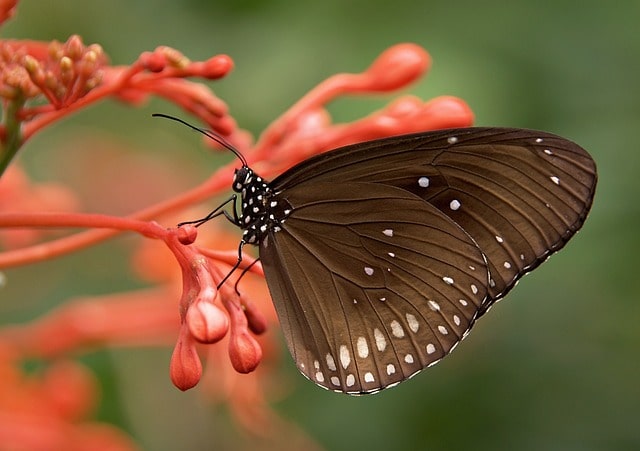
Within the complex unity of life, certain species possess disproportionate power. Notwithstanding their restricted population, keystone species wield substantial influence, shaping entire ecosystems.
The potential consequences of their presence or absence on ecosystems are significant, given that they can trigger trophic cascades that alter the dynamics of whole communities.
This underscores the intricate equilibrium that is present in ecosystems.
Ecosystem Structure and Function
Ecosystems involve complicated structures and operational systems maintained in place by interacting with living organisms and their environment. The coordination between trophic interactions, nutrient cycling, and energy transfer is carried and balanced by dividing matter into biotic and abiotic components. This process guarantees the survival and vitality of living organisms.
Biodiversity and Conservation
Biodiversity, the variety of life, is crucial to the health and resilience of ecosystems. However, this balance is threatened by increasing dangers such as:
- Habitat degradation
- Global warming
- Species extinction
Conservation initiatives are our beacon of hope, encouraging sustainable practices, protecting habitats, and fostering biodiversity. As readers, understanding and supporting these initiatives can make a significant difference in preserving our planet’s ecosystems.
Ecology and ecosystem dynamics unravel the symphony of life’s interactions, echoing the relationship of all living beings. From the influences shaping populations to the domino effect of keystone species, the structural intricacies, the importance of biodiversity, and the pressing need for conservation, each element stitches the fabric of a thriving ecosystem.
Movers’ Safety: The Vital Role of First Aid Training and Basic Biology Knowledge in Injury Prevention and Response

Moving homes or offices is a common event in our lives. Whether it’s a local relocation or a long-distance move, the process can be physically demanding and potentially hazardous. Movers, the individuals responsible for transporting your cherished belongings, often face a range of challenges, including heavy lifting, navigating tight spaces, and ensuring the safety of both your items and themselves.
In this article, we will explore the critical importance of first aid training for movers and how a basic understanding of biology can play a pivotal role in injury prevention and response. Check out https://www.anthonysmovingandstorage.com/ for more ideas.
Understanding the Risks of the Moving Industry
The moving industry is physically demanding and inherently risky. Movers are tasked with lifting and carrying heavy furniture, appliances, and boxes, often in challenging environments. These activities put them at risk of various injuries, including strains, sprains, cuts, and more severe accidents if proper precautions are not taken.
First Aid Training: A Lifesaving Skillset
First aid training equips movers with essential skills to respond to injuries promptly and effectively. Some of the key aspects of first aid training for movers include:
- Injury Assessment: Movers learn to assess the severity of injuries quickly. This involves understanding basic biology, such as recognizing signs of shock, identifying different types of wounds, and gauging the extent of injuries.
- Wound Care: Basic biology knowledge is crucial for understanding how wounds heal and how to clean and dress them properly. This prevents infections and ensures a quicker recovery.
- Fracture Management: Movers are trained to stabilize fractures or dislocations until professional medical help arrives. Knowledge of bone structure and biology aids in recognizing and treating these injuries.
- CPR and AED Use: Cardiopulmonary resuscitation (CPR) and automated external defibrillator (AED) training are vital for responding to cardiac emergencies. Understanding the biology of the heart and circulatory system is fundamental in these life-saving techniques.
The Role of Basic Biology Knowledge
Why is basic biology knowledge so crucial for movers? Here are a few key reasons:
- Understanding Injury Mechanisms: Knowing how the human body works helps movers comprehend how injuries occur. This understanding can lead to more cautious handling of heavy objects and safer work practices.
- Infection Prevention: A basic grasp of microbiology and how pathogens spread assists movers in taking necessary precautions to prevent infections when treating wounds.
- Adapting to Unique Situations: Movers often encounter unexpected situations, such as allergies, medical conditions, or unusual reactions to injuries. A basic understanding of human biology enables them to adapt and respond effectively.
A Safer Future for Movers and Customers
Incorporating first aid training and basic biology knowledge into the moving industry is not just about protecting movers but also ensuring the safety and peace of mind of customers. When you hire a moving company that invests in these safety measures, you’re not only safeguarding your possessions but also supporting a safer work environment for the professionals handling your move.
You might also want to read The Role of Positive Affirmations in Boosting the Immune System and Fighting Illness.
In conclusion, movers’ safety is paramount, and first aid training coupled with a foundational understanding of biology can make all the difference. By prioritizing these skills and knowledge, moving companies contribute to reducing accidents and injuries, ultimately creating a safer and more reliable moving experience for everyone involved.
So, the next time you plan a move, consider the movers’ safety practices of the company you choose. It’s a small step that can have a big impact on the well-being of both the movers and your cherished possessions.
Understanding Biology

What characteristics make a life? How can we distinguish between what is living and what is not? The majority of individuals intuitively know what it means for something to be alive and know your purpose by taking https://quizondo.com/soldier-poet-king-test/. It’s very hard to define life precisely, though. Because of this, many definitions of life are only operational—they let us distinguish between living and nonliving entities but don’t truly define what life is. We need to create a list of traits that, taken as a whole, are specifically distinctive of living things in order to draw this distinction.
Biologists have found a number of characteristics that all known living things share. Although some of these distinguishing characteristics may be displayed by nonliving entities, only living creatures exhibit them completely.
1.Organization
Living creatures have well-coordinated, specialized pieces, making them highly organized. Cells, which are regarded as the basic building blocks of life, make up every living thing.
2. Metabolism
An large number of interconnected chemical processes are essential to life. These processes let organisms to develop, reproduce, and maintain the structure of their bodies as well as perform tasks like moving or catching prey. To carry out the chemical processes required for life, living creatures must expend energy and absorb nutrients.
3. Homeostasis
Living things experience controlled development. The size of individual cells increases, and multicellular organisms amass a vast number of cells through cell division. You began as a single cell and today your body has tens of trillions of cells 1 1 start superscript, 1 end superscript! Anabolic processes, which produce huge, complex molecules like proteins and DNA, the genetic material, are essential for growth.
4. Self-reproduction
Living things may reproduce to make new creatures. Asexual reproduction, involving a single parent organism, is possible, as is sexual reproduction, needing two parents. Single-celled creatures, like the bacteria that is dividing in the left panel of the image on the right, may simply split in two to reproduce!
5. Response
Living things have “irritability,” which is the ability to react angrily to environmental cues or alterations. People, for instance, swiftly remove their hand from a flame.
Health Risks of an Untidy Home

1. Diseases Caused by Dust and Dirt
Lift a book from your desk after a week to see the rectangular area that was left free of dust. Due to the fact that it can never be prevented from invading our houses, dust is arguably one of the most annoying problems to deal with. It finds a way in, whether it’s through windows, doors, or shoes and clothing that are brought in from outside. The trachea and bronchi run the danger of being inflamed if there is too much dust in the air. Serious respiratory diseases can later emerge from moderate sneezing and a runny nose that may have been the initial symptoms. Aside from that, an untidy house can also have a negative effect when you sell your house during a residential building inspections perth
2. Food-Borne Illnesses
Do you understand why your mother always tells you to finish what’s on your plate and avoid eating on the bed? This is due to the fact that food scraps and bread crumbs inevitably fall to the floor or upholstery where they will stay until they decompose. In addition, they might draw insects and animals. This offers a serious health danger because they can cause stomach cramps, diarrhea, and, in the case of small children, blood! You don’t want babies in your home putting contaminated, bad food in their mouths.
3. Diseases from Dirty Bathrooms
There is a good probability that bacteria and pathogens will be present in your bathroom if you don’t clean it every day. Given the area’s high humidity, the wetness can cause mold and mildew to grow on the walls and floor. Infections of the urinary tract, renal problems, diarrhea, and other allergies can all result from dirty toilet seats.
Beware of the dangers that are there! You’re badly underestimating the risk of dirty bathrooms if you don’t consider the dangers of slippery flooring and wet bath tubs. Additionally, moisture is the primary catalyst for all bacterial growth, thus it must be kept dry and clean.
4. Germs and Bacteria
Unwashed dishes, leaking faucets, untouched rubbish, and clogged drains all serve as breeding grounds for bacteria and sources of germs.
Even if you wash the dishes overnight, there is no guarantee that your kids won’t have kidney diseases, cholera, vomiting, or other gastrointestinal illnesses.
Before it becomes worse, use caution.
Ways You can Help Save Endangered Species
There are currently more than 24,000 species of animals and plants listed as endangered by the World Wildlife Fund. This means that they could become extinct at any time if we do not take action to protect them. Endangered species face a number of threats on a daily basis, from deforestation to overfishing and poaching.

There are many things you can do right now to help save some of the most threatened creatures on Earth. Below is an exploration of different ways you can help save endangered species today!
Speak Up and Educate Others
Endangered species are often voiceless, which means that it’s up to us to speak up for them and let people know how important it is to protect them.
If you come across a news article or social media post that could be damaging to a certain species, you should also let people know how they can help.
You can even start a group of like-minded people and organize events to raise awareness. This is one of the best ways to make a real difference and help save endangered species from going extinct.
Or, you can also make a digital signage to post on public. You can do this by visiting https://www.digitalframe0.com/product-category/digital-signage-displays/ and choose the right frame according to your budget.
Support Eco-friendly Companies
As we’ve mentioned, the actions we take every day can have a big impact on the environment and endangered species. Your purchasing decisions can either make a real difference, or they can be detrimental to the environment. If you are not sure how eco-friendly a certain product or company is, you can usually find out by doing a little research online.
If you’re purchasing clothes, try to buy items that are organic or made from recycled fabrics. You can also make sure that the makeup you buy is cruelty-free, and the food you eat is ethically sourced.
Fund Conservation Efforts
Funding scientific research, law enforcement, and habitat preservation can often be costly. This is why many conservation efforts rely on outside funding. As humans, we have a responsibility to help regulate the way we use the planet and make sure we do not destroy it in the process.
The Relationship Between Genetics and Success

You might recall your high school biology class and the topics of heredity vs. environment, genetic variants, mutations, and other topics when you hear the word “genetics.”
We frequently concentrate on the standard topics while learning about genetics, such as how genetics affects things like your hair and eye colors, how some genetic features are dominant and others are recessive, and how genetics might affect your health and whether you get certain diseases.
Of course, genetic data has a wide range of other applications. But do hereditary variables have an impact on employment and skills you need for a pre purchase house inspection?
This is a challenging query.
In short, yes, genetic variables can affect how things turn out at work. But it’s not quite that easy. We should also inquire as to whether hereditary considerations ought to come into play.
SUCCESS AND GENETICS
The idea that people have different levels of success and achievement hardwired into them prompts some difficult moral dilemmas concerning how to treat those who inherently possess talents like leadership.
The premise that everyone has equal possibilities to advance to specified positions is the foundation for most workplace rewards. Theoretically, two workers at a restaurant who start on the same day in the same position as a waiter both have the chance to advance to the position of head of waitstaff. But what if one of the two workers has a genetic predisposition to leadership?
SATISFACTION AMONG WORKERS, THE ENVIRONMENT, AND GENETICS
A Wharton Magazine article claims that job happiness has a genetic foundation. Genes are responsible for a variety of traits, including the morals and interests people bring into the workplace, their capacity for leadership, their interpersonal skills, and more.
While studies have shown that genetic differences frequently have a greater impact under equal climate factors, environment is undoubtedly a component as well.
This does not imply that it is useless to try to change the way things work at the office or learn a talent that does not come so easily.
However, understanding how hereditary variables, such as how they affect temperament and ability, play a role in the workplace can assist a business better appreciate how difficult it can be to impact employee behavior.

Pictures Of Flower That Looks Like A Bird Spark Debate Online
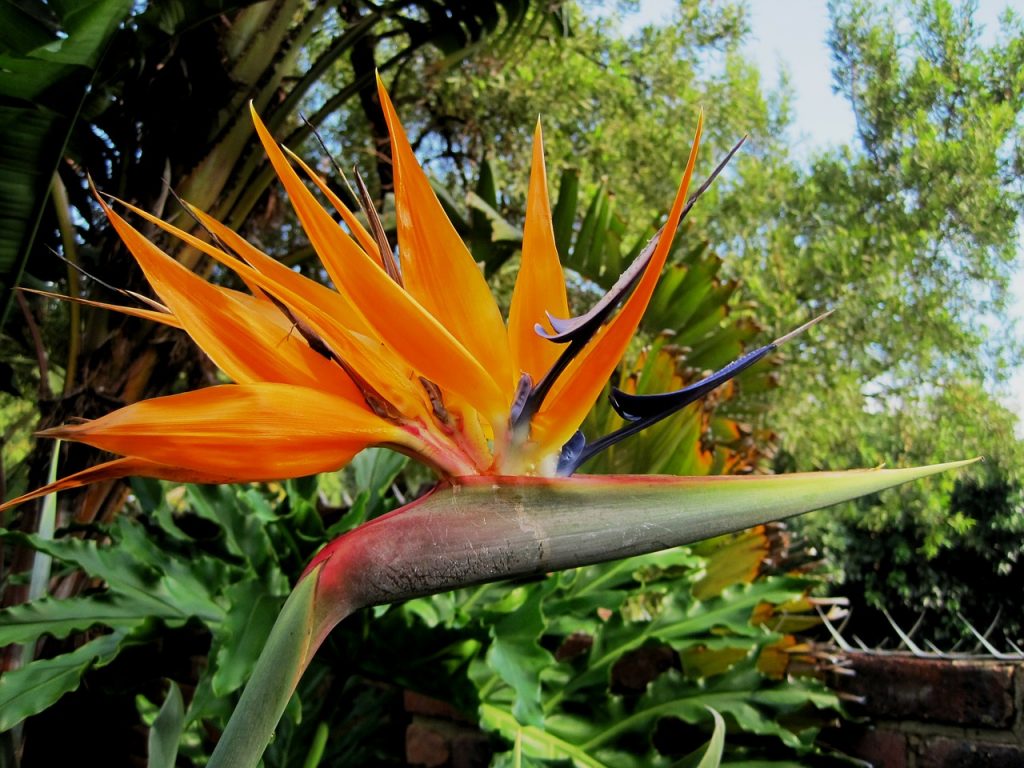
The internet is a vast and diverse space where the unusual often takes center stage. Recently, a series of captivating images showcasing flowers that bear an uncanny resemblance to birds have sparked a lively debate across online communities. While the visual spectacle has captivated the attention of many, the discussion goes beyond mere aesthetics. Let’s delve into the fascinating world where nature and art intertwine, and explore an unexpected connection—towing services like towing San Jose in the care of these unique flowers. Find your trusted towing service in San Jose in the maps – https://maps.app.goo.gl/4mMwcsQTjuUeVnAPA.
A Floral Resemblance
The viral images depict flowers that, at first glance, appear to be small, delicate birds in full flight. The intricacies of nature never cease to amaze, and this curious phenomenon has left netizens in awe of the remarkable mimicry found in the plant kingdom. The vibrant petals and distinct shapes contribute to a striking similarity that blurs the lines between the avian and the botanical.
The Online Debate
As these pictures circulate on various platforms, the online community finds itself divided. Some marvel at the wonders of nature, celebrating the artistic brilliance embedded in these floral arrangements. Others, however, question the authenticity of the images, prompting discussions on the limits of natural mimicry. The debate raises intriguing questions about perception, beauty, and the often surprising ways in which nature manifests its creativity.
Towing Services: Nurturing Nature’s Wonders
Amidst the debate and speculation, an unexpected player emerges—the role of towing services in the care of these unique flowers. In regions like San Jose, where the love for nature often meets the demands of urban life, towing services play a crucial role in maintaining the delicate balance between city infrastructure and natural beauty.
The Transportation of Botanical Wonders
In the care of these flowers that resemble birds, transportation becomes a delicate task. Towing services, equipped with the necessary expertise and equipment, ensure the safe and secure movement of these botanical wonders. From nurseries to public exhibitions, the careful handling of these unique specimens becomes a specialized task that towing professionals adeptly undertake.
Emergency Response for Greenery
Unexpected events, such as storms or accidents, can pose a threat to these precious floral displays. Towing services in San Jose and similar areas are not only skilled in handling vehicular emergencies but also play a vital role in responding to incidents that may impact the natural beauty of the surroundings. Prompt action ensures the preservation of these unique flowers, allowing them to continue captivating audiences with their avian charm.
Conclusion: Where Nature and Service Collide
In the realm of the internet, where the extraordinary becomes the norm, the debate surrounding pictures of flowers that look like birds reflects our collective fascination with the wonders of the natural world. As discussions unfold, it’s essential to recognize the interconnectedness of seemingly unrelated elements, such as towing services, in nurturing and preserving the beauty that captivates our senses.
So, whether you find yourself marveling at the online images or engaging in the spirited debate, remember that in the real world, towing services in San Jose and beyond contribute to the well-being of both the urban landscape and the enchanting flora that continues to surprise and delight us.
Transferring Genetic Information To The Next Generation
Thinking of the family from a genetic point of view
Masamitsu Sato, Professor, Faculty of Science and Engineering. In 2001, obtained a doctorate (science) from the Department of Biochemistry, Graduate School of Science, the University of Tokyo. Engaged in cell division research at Cancer Research UK London Institute since 2002. Since 2006, he has been an assistant professor and assistant professor at the Graduate School of Science, the University of Tokyo (concurrently serving as a JST PRESTO researcher). Specializes in cell biology and molecular genetics. Study the molecular mechanism of meiosis control. In 2012, received the Young Scientist Award from the Minister of Education, Culture, Sports, Science, and Technology. Since 2013, he has been an associate professor at the Department of Biomedical Sciences, Faculty of Advanced Science and Engineering, Waseda University. Presides over the Cytoskeleton Logistics Laboratory. He has been in his current position since April 2018.

What is the actual state of genetic information?
We may feel a strong sense of being a family when our family feels “similar” to us. The similarities are due to the function of genes, but how are genes transmitted to the next generation? In recent years, the technology that uses genetic information has advanced innovatively, and it is approaching the point where it affects our view of the family.
The mechanism for passing on genetic information to the next generation.
Males and females produce sperms and eggs, respectively, and fertilize them to produce fertilized eggs, which gives birth to live. They receive a total of two sets of genetic information, one set each from their father and mother. For example, suppose that one parent receives a gene that becomes a “double eyelid” and the other parent receives a gene that becomes a “single eyelid”. In this case, the trait of “double eyelid” appears, which is called overt (dominant), and “single eyelid” is called latent (recessive). Naturally, genetic dominance/recessive does not mean human superiority or inferiority.
Disease genes and chromosomal abnormalities.
While genetic SNPs create individual differences, serious genetic changes that exceed the level of individual differences also occur. This is called a mutation. It is a difficult question why mutations occur, but it is also said that it is largely due to environmental factors. Color blindness (color blindness), hereditary hearing loss, familial cancer, etc. are numerous, but if a mutant gene is passed on to posterity through gametes, it can become a familial genetic disease.
Prediction of diseases from the viewpoint of genes and artificial modification of genes.
Advances in research and technology have made it possible for anyone to look up their genetic information. If you do a web search, you’ll notice that there are many services that can decipher your genes for around 10,000 yen. As a result of the decipherment, he will tell you how much you are at risk of developing various illnesses. Whether you want to know or rely on it, you can feel the changes of the times.
looking for towing services like http://towing-services.com/ to transport your medical equipment?
The World’s View towards Abortion
World Abortion Laws Map serves as the distinctive record of countries that have legalized abortion. This is why the utilization of translation services such as https://ozfanyi.com.au/ is sometimes vital to translate the information to your native language.
As a matter of fact, since 1998, Center for Reproductive Rights created this map as a means of resource for advocates, civil society organizations and government officials who are working diligently to advance the abortion rights as human rights among girls and women worldwide. The map is categorizing legal status of abortion from relative liberality to serious restrictiveness. The good thing about the map is that it is being updated real-time. Thus, you can be sure that the information and data reflected happens as it unfolds.
Despite the fact that this resource is using female as pronounce and the phrases “girls and women”, it is recognized that men would also need access to such information.
Additional Information
On top of that, World Abortion Laws map does provide valuable tools as well as resources that will help policymakers and advocates to advance abortion reform. These include but not limited to the following:
- Abortion Rights are Human Rights
- Recent Developments
- Accelerating Progress and;
- Full text abortion laws of 50 countries easily available by viewing countries on the map
Methodology

Categorization on map is reflecting strict reading on black letter law that is imposed in every country. Abortion laws are also categorized as per the provisions in legal regulations, court decisions and national statues. Ministerial guidelines aren’t used to categorized legal status of abortion on map unless, they are backed by law.
Believe it or not, Gomez-Pinzon Abogados, White & Case, DLA Piper and Ashurst offered pro-bono support in terms of reviewing laws for every country with legal interpretations that is provided by practicing lawyers for every country.
Continuing Progress
For the past several years, there have been massive gains realized in terms of securing and empowering women’s right in regards to abortion; with almost 50 countries beginning to liberalize laws associated to abortion. Some reform has been incremental too which enabled women to have access to legal abortion either pregnancy results is caused by rape or when there’s a threat to her life.
Are Genes the Sole Element that Instructs a Child’s Development?
How a child’s development is determined? Looking at every influential factor that is contributing to children’s development is impossible. What researchers can do though is, look at apparent factors. These will mostly include the following:
- Parenting
- Genetics
- Friends
- Family
- Education
- Experiences and;
- Relationship
Knowing the role that each factor play allowed researchers to identify better how these influences are contributing to the growth and development of children.
Nature versus Nurture
While other elements of development can be influenced greatly by biology, experts are not ignoring environmental aspects too. For instance, the timing of when puberty occurs is frequently brought by heredity. However, environmental factors like nutrition may have effects on it.
From the early stage of life, interaction of heredity as well as environment works in shaping who the children will become and who they are personally.
Genetic instructions that children inherited from parents on the other hand can guide them through development. With environment though, it is going to impact how these directions would be shaped, silenced or even expressed.
Prenatal Child Development
At the very start, child development already begins when male reproductive cell or the sperm has penetrated the ovum or the protective outer membrane of the female reproductive cell. The ovum and the cell individually contain chromosomes that serve as blueprint for life. Genes contained in chromosomes are made of chemical structure otherwise known as DNA. As you know, our DNA contains genetic instructions or codes that make up all life on earth.
Environmental Influences
With all these things said, how genetic instructions being passed down from parents are influencing child development as well as to what traits they have. To understand this better, it is essential to identify between genetic inheritance of a child and their actual expression of the genes.
Genotype is used to refer all kinds of genes that have been inherited by a person. Phenotype on the other hand is the way how genes are expressed. The latter include physical traits similar to eye color and even nonphysical traits similar to extroversion and shyness. So even if you are a type of timid person during your younger and adult years, environmental factors can still impact your child’s behavior and development and might have interest in things like Diablo 2 items, gaming and so forth.
Understanding Global Warming: The Effects on the Community

Can you recall the time when we can still pretend to not know about Global warming and climate change, because back then the Earth is still stable, okay, and people is taking good care of it?
Indeed, if we could only go back to h0w it was, if we could only understand Global warming and know exactly the what to do and what to not, then maybe, just maybe, we could still save a part of the Earth that is now destroyed and polluted.
Today, let us get to know global warming and the things we need to do to still save Earth.
What is Climate Change
The term climate change often refers to the general weather conditions of the place in years. It is a significant variation of average weather conditions, for some places it has becoming warmer, wetter or drier over several decades or more. Which is not usually a normal weather scenario for them.
All the while, more people are integrating “climate change” with “global warming”. Yes they are related but they are actually different.
What Causes Climate Change
If we are going to talk natural causes, a few obvious reasons to this is the phases of human activities over the years. Forces that contributes to climate change are the sun’s intensity, volcanic eruptions, and changes that naturally occurring greenhouse gas concentrations.
The Effects of Climate Change
There are various effects of climate change that we are now experiencing already.
One of this is the extreme weather. For cold places, they experience more extreme coldness during its season as well as in the hot places.
Obviously, dirty and polluted air is one too. And this is one of the many effects that we are experiencing to today.
Reasons to Avoid Eating Too Much Sugar

Added sugar can be found even in the most unexpected products- even in those products where they say it is sugar-free. I mean, who could ever believe that’s true?
Basically, everywhere you go people are often eating milk tea, chocolate pudding cake, or most of the time rely on processed foods, meal or snacks- because it’s quicker to cook and to serve. Not knowing the unhealthy consequences it does to their body.
Especially for younger kids, too much sugar intake is really scary. The question is why! Today, this blog will answer that.
Causes Weight Gain
Rates of obesity are rising, worldwide. The cause of it is because of too much-added sugar intake, sugar-sweetened beverages just like their well-loved milk tea. Indeed, those are the main culprits of why you are gaining too much weight.
Sugary beverages don’t control your cravings, that is why you’re easily feeling hungry and you quickly consume a high number of liquid calories. And then eventually leads to weight gain.
Risk on Heart Disease
High sugar food have been associated with an increased risk of so many diseases, including heart disease which has been reported to have the most number one cause of death worldwide. What could that mean? It means because our food are more of sweets and sugar, on a daily basis.
Type 2 Diabetes
Medical reports all over the world have been reported to double the cases of people diagnosed with diabetes in the last 30 years. There is a clear link between excessive sugar consumption and diabetes risk. Say if you are going to ask someone to stop eating too many sweets they’ll eventually say “you might get diabetes” because it is somewhat more associated to it.
Understanding The Korean Language
In line with the growing popularity of Korea, we would like to touch on this topic by featuring the Korean Seminar held in Sao Paolo. Korea is closely identified to the Japanese culture, but know that there are many differences in both nations, both in language and in culture. Let’s take a look further.
The Korean Education and Korean Seminar were held at the Sao Paulo Korean Cultural Center. Recently, K-Pop and Korean dramas are increasing the number of Brazilians who are interested in the Korean language and are looking for Korean language schools. In this seminar, more than 500 people sent their application form to get information about studying in Korea.
Understanding The Korean Culture
The purpose of this seminar, which was held in cooperation with the Korean Cultural Center of Sao Paulo, the Korea-Be Education Association (Chairman Jegal Yeong-Cheol), the Sao Paulo Korean School (President Hong-Gal), and Ong Inovar Educacao (CEO Bruno Kim), was interested in studying Korean and Korean. It was intended to inform high Brazilians about the Korean education system. Participants donated 1kg of uncorrupted food such as beans, rice, and sugar, and added meaning to the seminar.
Cho Ha Nana, who teaches Korean to Brazilians through the YouTube channel Hey Unnie, visited Sao Paulo in Curitiba. Cho explained the cultural background, which is the hardest part of the Brazilian people, on the theme of ‘different perceptions of each teacher’.
Professor Leishee Teirai, a Brazilian who runs a blog and YouTube channel about Korea, also gave a lecture. He is a Portuguese professor married to a Korean woman. He tells them about the difficulties and adjustments that he had not had in Korean.
“We can learn a lot about Korean language through the Internet,” says Nheke. “We can be fascinated by culture, music and novels. did.
Arylene Nakamura, a Japanese professor, began teaching Korean online in 2010 when she visited Korea. “At first, I loved K-pop and became interested in Korea. Korean grammar was difficult, but if I can express Korean, like as simple as asking for directions to a carpet cleaning near me, I think there is no problem in communicating. ” Recently, as Korean companies entered Brazil, they said, “It is important to learn not only the language but also Korean culture.”
Lastly, Yoon-Jung Lim, a Korean professor at the University of Sao Paulo, spoke from his lecture experience. She argued that learning with will is important. He also emphasized that there are many things that can be gained through language, and that “learning not only Korean but other languages will give you more opportunities.”
As a surprise event, Carlos Gorito, a former member of JTBC’s Unusual Talks, had a chance to share life and information about Brazilian students.
Simple Ways to Help the Environment
Every little thing you do really makes a huge difference. Indeed, it all starts with the little things and little steps that we do for the environment.
Today, a lot of environmental changes has taken their effect on us. The wildfires, the epidemic, the abnormality of season changes and a lot more. Little by little too, the Earth is as if telling us that we owe her.
Which is why today, I will talk you over a few tips on how you can save the environment little by little.
How You Can Save the Environment
Saving the environment is no longer an issue, but is already a survival truth. That is why so little things can already do so much when it comes to saving the environment.
Let’s take these tips below.
Use Reusable Bags
Plastic shopping bags often get thrown and dump on landfills and in other parts of the environment, even at the oceans. Be eco-friendly by using reusable bags or eco-bags when you’re going for shopping.
Recycle
Recycling has been introduced to us long ago, and although it is such a simple thing to do a lot of people don’t do it. It is a movement left neglected. You can start recycling today at home by using the old stuff turning it into new ones. Trash bins are also available in public places that follow the recycling process.
Save Water and Electricity
Although you might never know it saving both electricity and water is the same thing. Make sure to use energy sufficient light bulbs and turn off electricity and water faucets and showers when it is not in use.
Healthy Ways to Avoid Virus and Flu

Virus outbreaks are scary. Which is why it always pays for people to be vigilant, hygienic and careful.
Infectious diseases could be everywhere… from the water you bathe, the food you take, metals you touch or from the people you talk to every day. And it’s not something that people should care less for because this might cause us and even more serious health problem. Or worst, fatal.
While there’s definitely no way to guarantee your complete immunity, we have listed a few practical tips that could help and give you the idea to save your grace.
Get Vaccinated
Getting a flu vaccination means your body releases antibodies that can help you fight off any threats of viruses. Make sure that you also eat healthy while taking such doses and vitamins.
Avoid Crowded Places and Sick People
It is better safe than sorry. When public and crowded areas it is more likely that you are exposed to various people with different conditions in their bodies. Some are coughing and some are really and terribly sick. If you are in the status of a virus outbreak, it is best to keep from crowded places for the time being.
Wash Hands REGULARLY
Not only does washing your hands will help you fight off from viruses but as well as keeping your hands away from your face, mouth and nose. As much as possible avoid doing such to not get the risk of getting sick when you touch an infected surface.
Stay Hydrated
And always, bring your bottled water and keep hydrated.
Why Is It Important To Continue Developing Skills?
A diploma alone is no longer enough in the modern labor market. To get a good job or position, it is also important to have a certain set of skills. Think of communication skills, the ability to work in a team or specific soft skills for a certain function.
You usually do not acquire these skills during the course, but you develop them in daily work practice. The staff of Tampa Bay Roof (check out their website) has sufficient skills for the job as a result of their daily work practice. But how do you do that?
What are skills?
Before we elaborate on skills development and how you do this in practice, it is important to define what a skill exactly is.
A skill is a certain task or activity that someone is very good at. Skills are usually developed and perfected through practice and practical experience. Learning and mastering a skill, therefore, goes further than just gaining theoretical knowledge of facts and concepts.
Although the concepts of skills and competences are often used interchangeably, there is a clear difference between the two. The most important difference is that competence is broader and wider than a skill. A competence usually consists of knowledge, a number of skills and the necessary behavioral characteristics. In fact, skills are therefore practical parts of a broader competence.
Tip: You can read more about the difference between competences and skills in our blog article. Competences and skills: what is the difference?
Why continue to develop skills?
Keep developing yourself is not only a natural human need but also a smart and sensible intention from a practical point of view. There are therefore several reasons for continuing to develop and sharpen skills.
- Subject areas, professions, and technology are changing rapidly in our modern information society. Stagnation is therefore to decline. Continuing to learn increases your chances on the labor market and ensures that your qualifications and skills grow along with the changing requirements that are set.
- Your brain can be compared to muscles; frequent training keeps your brain in good condition and ensures that you develop (new) skills better and faster. By constantly acquiring new skills and knowledge, your brain strength increases.
- Developing a broad spectrum of skills makes you more flexible. The result: you can switch faster and respond better to unexpected situations, a quality that is certainly useful in our technologically complex society.
- Continued development of skills increases your chance of success. The famous physicist Albert Einstein (1879-1955), for example, did not consider himself a natural genius. He stated that his discoveries and scientific breakthroughs were mainly due to inquisitiveness: “I have no special talent. I’m just curious.
Simple Ways to Save the Planet

When are we going to act in saving the Earth? When it is no longer revivable? When it is no longer a place for living? When it could no longer be saved?
Nothing will ever be too late. Only late actions. Today, people are seeing education around the internet. Wherever you are, searching “how to save Earth” is as easy as liking a profile update on Facebook.
It is definitely time that we make a difference in the world… so here are a few simple tips that you can help in saving the Planet. In saving humanity. And in saving the earth.
1 Use Reusable Bags
It is easier to live a green and economically helpful life. That means get rid of anything plastic and stop using such. When going to the grocery you can always bring reusable bags with you instead of plastic bags. Using this type of bags are useful for things other than shopping as well. Meaning, you are being economically friendly.
2 Recycle
Recycling is old school but it will never grow old. A tip that will live for forever, and over time it has always benefited us in so many ways. You just have to do it the right way. Make sure that while you are recycling, you are also doing it healthily that the Earth can benefit.
3 Save Water
There are a lot of reported polluted water and wasted water on the media. In such a way that it affects us human, animals and the earth we live in. with that, it is vital that you learn how to save and conserve water. You can do so by turning off your faucet as soon as you are done the washing and using it. Avoid turning your shower on not until you are ready for a bath. Also, limit your water usage when washing dishes, using an automatic washer helps conserve water too. Thus, changing old habits will be good for both the environment and your wallet!
Exploring the Nature of Man: How Business Trips Can Unlock Your Creative Potential and Fuel Your Success

At times, we find ourselves stuck in a routine that can be overwhelming and challenging to break out of. This routine can be limiting, causing us to lose sight of our creative potential and hinder our progress. Business trips can offer a refreshing change of scenery and provide an opportunity for growth and development (source: 출장홈타이). In this article, we’ll explore how business trips can unlock your creative potential and fuel your success.
The Power of Traveling
Business trips can offer an escape from the mundane routine of everyday life, allowing you to explore new places and cultures. When we travel, we immerse ourselves in new experiences, stimulating our senses and expanding our horizons. This exposure to new perspectives can trigger creative inspiration, leading to fresh ideas and innovation.
Additionally, traveling can offer a sense of freedom that may be absent from our daily lives. When we’re away from our usual environment, we’re not bound by the same limitations and expectations. This newfound freedom can open up new possibilities and encourage us to take risks and try new things.
Building Relationships and Networks
Business trips can also provide opportunities to connect with like-minded individuals and build professional networks. Meeting new people and forming relationships can offer unique insights into different industries and markets, expanding your knowledge and potentially leading to new opportunities. Collaborating with individuals from diverse backgrounds can also encourage creative problem-solving and foster innovation.
Expanding Your Skillset
Business trips can offer opportunities to learn new skills and gain experience in different areas. For example, attending conferences, seminars, or training sessions can provide valuable insights into the latest industry trends and techniques. Additionally, working in different environments can help you develop adaptability and flexibility, which are essential skills in today’s fast-paced and ever-changing business world.
Cultivating Creativity
Creativity is essential to success in business, but it can be challenging to maintain when stuck in a routine. Business trips can offer a unique environment that encourages creativity and innovation. Being in a new place, surrounded by new people, and exposed to different perspectives can help us break out of our usual patterns of thinking and see things from a fresh perspective.
Taking time to explore the local area, trying new foods, and engaging in cultural activities can all be powerful ways to stimulate creativity. Additionally, taking a break from the pressures of work and enjoying some downtime can help us recharge and refocus, leading to a renewed sense of creativity and productivity.
Read also: Human Psychology Behind Choosing Your Wall Paint Color
Conclusion: Unlocking Your Creative Potential With Business Trips
In conclusion, business trips can be an incredibly powerful tool for unlocking your creative potential and fueling your success. By providing opportunities to travel, build relationships and networks, expand your skillset, and cultivate creativity, business trips can offer a refreshing change of pace and perspective that can lead to breakthroughs in both personal and professional development.
The Role of Positive Affirmations in Boosting the Immune System and Fighting Illness
 The immune system is responsible for defending our body against harmful pathogens such as bacteria, viruses, and cancer cells. A weak immune system can increase the risk of getting sick or developing chronic diseases. Affirmative statements are a powerful way to build up the immune system and ward off disease. They can be an incredibly effective method of improving your health.
How Does the Immune System Work?
The human body’s defense system is built of different cells, tissues, and organs that collaborate to protect the body from unwanted intruders. The immune system reacts by initiating a response that generates antibodies and activates specialized cells like T-cells and B-cells when germs enter your body. These immune cells attack and destroy the pathogen, protecting the body from infection.
What are Positive Affirmations?
Positive affirmations are statements we repeat to help create a positive mindset and belief system. These statements can be related to any aspect of our lives, including health and wellbeing. Positive affirmations help to rewire the brain and replace negative self-talk with positive and empowering thoughts.
The Science behind Positive Affirmations and the Immune System
Research has shown that positive emotions can significantly impact the immune system. Positive emotions can increase the production of immune-boosting hormones, reduce inflammation, and improve the functioning of immune cells. Conversely, negative emotions like stress, fear and depression can hinder the body’s immunity and put us at risk for health concerns.
How Positive Affirmations Can Boost the Immune System
Positive affirmations can help to reduce stress, anxiety, and negative emotions, which in turn can improve the functioning of the immune system. Learn How to Use Positive Affirmations for a Fulfilling Life. Numerous studies have established that positive affirmations can drastically reduce stress-inducing hormones such as cortisol and stimulate the production of immune-enhancing hormones like oxytocin.Positive affirmations can also help reduce inflammation, a key factor in many chronic diseases.
Utilizing positive affirmations has been demonstrated to be a formidable weapon against various forms of sickness. It can bolster the immune system and help fight off illnesses. By creating a positive mindset and belief system, we can reduce stress and negative emotions, which can weaken the immune system. Positive affirmations can also help to reduce inflammation and improve the functioning of immune cells. Adding positive affirmations to your day-to-day life can greatly affect your overall health and psychological well-being.
The Science Of Sleeping: How Sleep Works
Even after decades of research, the exact reason you sleep remains one of health science’s most enduring and intriguing mysteries. Specialists examine how sleep works and what happens when you don’t get enough sleep.
Studies show that sleep is incredibly complex and affects almost every system in the body. Several parts of the brain are part of the processes of generating hormones and substances that regulate wakefulness and sleep.
While there is still much that you need to learn about the complexities of how sleep works, the existing research clarifies the process of what happens in the brain and body during sleep. This knowledge reveals how sleep relates to numerous elements of physical, emotional, and mental health, and provides insight into how people can get better sleep.
On the other hand, you can get better sleep during camping when you buy the ideal camping tent. Some company offers quality tents for campers so they can have better sleep even outside their homes.

How does your body control sleep?
The body regulates sleep with two key factors: sleep-wake homeostasis and the circadian alarm system.
Sleep-Wake Homeostasis
This describes something you know implicitly from experience. The longer you’re awake, the more you feel the need to sleep. The reason for this is the homeostatic sleep drive, a self-regulating system in the body that increases the pressure to sleep depending on how long you’ve been awake. The same drive causes you to sleep longer or deeper after a period of insufficient sleep.
The circadian wake-up system
Part of the biological clock of your body, circadian rhythms last around 24 hours and play a vital role in many biological processes which include sleep. Light exposure has the greatest impact on circadian rhythms, promoting daytime alertness and nighttime sleepiness.
These two factors affect directly how much the body feels the need to sleep, as they reflect the biological clock, time of day, light exposure, and length of wakefulness.
In addition, a variety of external factors can affect the circadian waking system and sleep-wake homeostasis. For instance, hunger or stress can disrupt the normal process of sleep regulation. Caffeine ingestion or exposure to light from electric devices are other samples of how behavioral choices can change the underlying systems of the body that control sleep.
These complex processes are controlled by several parts of the brain. The fact that so many parts of the brain are involved in wakefulness and sleep, including the sleep stages, is further evidence of the biological complexity of sleep.
Biology: Why Do Infused Candles Flicker?
If it’s not the wind, the flickering is usually due to an imbalance between combustion and fuel supply at the flame. The trigger is often a wick that is too long.
A candle works like this. The flame heats the wax in the wick, which then vaporizes in the flame and above all burns. The yellow in the flame is nothing more than the burning wax particles. Liquid wax flowing from below replaces the wax that burns. In the perfect case, with a quiet candle, there is a balance. The flame continuously burns just as much wax as flows in. Flickering happens when this balance is disturbed.
The wax deficit can trigger flickering
Suppose the wick is too long; a situation can then arise in which the flame has a fairly large amount of fuel available, specifically all the wax that is in the long wick. If it has a lot of fuel, it will flare up more. But because a lot of wax is burned in a short time, there is a deficit in the long wick, because the liquid wax cannot flow through the long wick so quickly from below. Suddenly the flame is undersupplied, collapses for a short time, and becomes visibly weaker.
In the meantime, however, liquid wax continues to flow into the wick, and so the deficit of wax in the wick soon becomes a surplus again. The flame flares up again, and so it goes back and forth. It’s like the stalling of a car engine that’s not properly timed.

Shortening the wick only helps in the short term
You can remedy this by shortening the wick a bit. But that often only helps in the short term. With the candles where the wick gets too long, this usually happens again and again because the thickness of the wick is not optimally chosen.
Candle in the freezer
In certain circumstances, it can help to put the infused candles in the freezer before lighting them. Because when the candle is cold, the wax needs more energy to melt. In this way, not so much wax flows into the wick. The candle burns slower. In the best case, this brings the ratio of combustion and the wax that flows back into balance so that the candle no longer flickers. But that’s not a guarantee.
How to Get the Most Accurate DNA Test Results?
DNA tests can be an excellent way to help you learn more about your family history and where you come from. However, with so many different types of DNA tests available, it can be hard to know which one is the best choice for your situation.
Thankfully, there are ways to increase your chances of getting the most accurate results possible when taking a DNA test:
Ask about Testing Accuracy Before You Purchase
Before you make a purchase, it’s important to ask what the testing accuracy rate is for that particular DNA test. Certain DNA tests may be more or less accurate than others, and this can make a big difference in the results you get.
If you want to get the most accurate results possible, you should look for a test with a high testing accuracy rate.
Help Ensure the Best Sample Collection Possible
Taking a DNA test is a pretty straightforward process. You simply spit in a tube, send the sample off to the lab, and wait for your results. However, there are a few things that you can do to help ensure the best sample collection possible.

If you’re a doctor who takes DNA test, you should make sure to use HP printer setup to have the clearest print of information of your client. And as a client, the following tips can help you make sure your sample is as good as possible:
- Avoid eating, drinking, or brushing your teeth for at least an hour before taking the sample.
- Make sure that the sample is properly mixed before sending it off to the lab.
- Seal the sample tube completely and don’t leave any air in the tube. DNA tests can be an excellent tool for learning more about your family history.
Check Your Ethnicity Estimate
Your ethnicity estimate is one of the first results that you’ll see when taking a DNA test. It’s important to note whether this estimate seems accurate to you or not. If your DNA test results show that you’re 50% Scottish when you know for a fact that your family has never been to Scotland, you may have an inaccurate ethnicity estimate. Ethnicity estimates are based on averages and may not be 100% accurate for every person who takes the test.
How to Ace Your Genetic Course

Tips for Understanding Concepts
-Go to school, take notes (telegraphic style, abbreviating as necessary), and as soon as you can thereafter, duplicate your notes in clear handwriting and entire phrases. Ones typed on a keypad are less likely to be remembered than words written by hand.
-Plan reading sessions that last 30 to 35 minutes, but only when you are not fatigued or distracted. Most people discover that after 30-35 minutes of intensive focus, their attention starts to waver.
-Read carefully. Go somewhere clean, peaceful, and well-lit, then switch off your laptop and smartphone. You can simply search for Facebook pages of restaurants with several followers and good reviews.
-Beginning with a quick skim of what you believe you can cover in your reading session, such as an introduction
-Look at the graphics; here is the aerial view of the landscape that will help you stay on course.
-In the glossary, look up any new terminology.
-Reread challenging passages and jot down in handwriting the main ideas.
-The main ideas should be highlighted, underlined, or better yet, summarized in your own words. Significant terms are in boldface, key ideas are underlined with bullet point lists, and basic ideas are set off and marked Key Concept in the textbook to make it easier to identify these.
-Stop reading for a while and work through the Stop & Think puzzles. They are made to assist you in determining whether you have fully comprehended and are able to apply the ideas you have just read.
Tips for Solving Problems
-The Solutions: Step By Step should be used. These walk you through the methods used to address the main categories of issues brought on by the ideas in each chapter.
-Prior to beginning a challenge, be certain that you comprehend the request.
-If you need help understanding the essential terms in an issue, consult the glossary.
-To build confidence, start with some simple issues.
-Don’t waste time on problems that are similar to those you already know how to solve once you have mastered a particular type of challenge. You actually learn from challenges that you don’t instantly know how to fix.
-Do not hurry. As the proverb goes, haste generates waste, and haste increases the likelihood of making foolish errors.
The Health Risks of Laser Hair Removal

As a result of the process, some individuals who get Facebar YYC laser hair removal may experience certain negative side effects. These, including skin redness and inflammation, are typically restricted to the treatment region. Laser hair removal is not recommended in several body parts due to additional health hazards, such as significant eye injury.
To choose the appropriate course of therapy, it is crucial to weigh the advantages and dangers of the surgery for each individual.
Ineffectiveness
Not every patient will have permanent hair removal with laser hair removal. Some patients’ body hair may be resistant to laser treatment or may come back after the procedure in some regions.
Skin alterations
It is normal to experience some skin irritability in the treated area after laser hair removal. This could involve aches, pains, redness, and swelling. Most of the time, this will go away after treatment in 24 hours.
Other skin-related side effects include:
-discomfort
-Numbness
-Throb
-Burns
-Bleeding
-Blemishing
Region-specific dangers
Due to a higher risk of potential side effects, laser hair eradication is not advised in specific body parts. For instance, the operation is typically not advised near the eyes due to the possibility of eye harm if the surgery is not performed properly.
Weighing the risks and advantages
It’s crucial to take into account the individual’s specific benefits and hazards before deciding to start laser hair removal therapy.
The elimination and decrease of hair growth in the chosen body area is the main advantage of laser hair removal. If the person wants the body hair removed for cosmetic reasons, this may be advised for a medical condition linked to excessive hair growth.
The dangers of laser hair removal can be reduced by using the laser light correctly when performing the therapy and by taking the necessary precautions before and after the operation. Because of this, individuals prefer to have laser hair removal performed by a dermatologist with training and experience in the field.
7 Anime Characters That Are Not Genetic Freaks

Usually, anime heroes are strong for two reasons.
First, they were born into a powerful family. So there is a genetic factor as to why they are so mighty.
Secondly, they can giveaway extraordinary powers for some reason. For example, meet someone who gives them power, so the container of an extraordinarily powerful creature, and others.
But is there an anime hero whose strength does not come from giveaways or genetic factors of great families? By watching anime, this is what I found!
1. Sakata Gintoki – Gintama
From what we saw until the manga ended, this Sakata Gintoki did not come from a special family, nor did he get the power of a giveaway from any particular entity.
He is really just a veteran samurai who is good at using swords.
2. Kenshin Himura – Rurouni Kenshin
Kenshin was born to a peasant family, not to a samurai family.
The technique he obtained was only the result of training.
Still, after being trained by Hiko Seijuro, Kenshin became one of the greatest swordsmen in Japan. A figure who is able to win from enemies such as Enishi, Sojiro Seta, Udo Jin-e, and many other names.
In Rurouni Kenshin, there are many types of characters like this. Sanosuke Sagara is more or less an ordinary person who becomes strong because of training. Similarly, historical figures such as Hajime Saito, who according to history his father was an ashigaru or walking soldier.
3. Rock Lee – Naruto
Rock Lee is his family in no indication of being Konoha’s famous family.
He also doesn’t have a special status like Jinchuriki, nor does he have a special dojutsu.
Rock Lee is a figure who was really born ordinary, and later became great because of hard training.
ALSO READ: Human Psychology Behind Choosing Your Wall Paint Color
4. Saitama – One Punch Man
If it is from Dr. Genus’s theory, Saitama’s strength does not come from other sources.
Basically, Saitama is just an ordinary person whose routine practice breaks the limiter of human power in him. That’s what makes him so crazy about his strength.
But it seems that there is still a mystery about this Saitama, and that Dr. Genus theory may not have explained all of Saitama’s strengths. If for example Saitama is revealed to have a giveaway and we don’t know, then this list will be updated.
5. Guts – Berserk
We’ve really seen Guts since the moment he was a baby. From what we have seen, her biological mother is really just an ordinary woman. His foster parents were then arguably not too privileged in his position in the Berserk world.
Even so, Guts transformed into one of the strongest humans in Berserk. Before he can berserker armor, he and his big sword can overcome dangerous enemies.
6. Gyomei Himejima – Kimetsu no Yaiba
From what we have seen, this Gyomei Himejima is not even from a samurai family. Before he became a demon slayer, he was just a monk.
Even so, Himejima’s strength can be said to be horrified. Even before becoming a demon slayer, he could cause one demon to die by beating the demon until the sun rose.
In Kimetsu no Yaiba itself, there are quite a lot of characters whose strength is based on training and experience. Including a figure like Inosuke.
But Himejima is among the most prominent because he is considered the strongest of the pillars in the Tanjiro era.
Demon Slayer Mark then made Himejima even stronger when the symbol appeared on her body. But since before that, he has also become the strongest pillar among demon slayers.
7. Ippo Makunouchi – Hajime no Ippo
This Makunouchi Ippo, his father, and his mother, can be regarded as ordinary. His father was a fisherman.
Therefore, it is also interesting that Ippo has a great talent for boxing power.
But if you read Hajime no Ippo, you will feel that the key to Ippo’s success is not just talent. He must also practice hard!
Those are seven anime heroes whose strengths do not come from giveaways or from family talents.
Geneticists : What Do They Do and Who Hires Them
Science students with keen interests in the in-depth study of genes and the heredity processes consider taking up a modern branch of Biology to become Geneticists.  Specifically and initially, they pursue a Bachelor of Science in Genetics, an undergraduate program focused on the study of heredity and of how mechanisms of living bodies pass on genes and traits through generations, albeit with biological variations.
The undergraduate course usually lasts for 3 years, spent learning about the cellular and molecular aspects of various Life Science subjects such as Biotechnology, Biochemistry, Cell Biology, Regeneration and Evolutionary Biology among other similar topics. Generally, studies delve on genetics, genetic analysis, chromosome theory and issues related to disease development and population evolutions. Fields of concentration are courses in Microbiology, Zoology, Molecular Biology and Biochemistry, which is just to name examples of specializations offered by universities.
Completing a degree in Bachelor of Science in Genetics prepares a graduate for entry level positions in building a career as an academic researcher, educator, tech support, including technical writing and marketing in the fields of medicine, health sciences, agriculture, and biotechnology. A graduate of BSc Genetics with excellent backgrounds as students of the program can qualify to enter a medical or veterinary school or pursue masteral and/or doctoral degrees.
Career Opportunities Available to Geneticists
Geneticists use their knowledge of molecular, mathematical, biochemical, and bioinformatics in investigating how genes determine distinctive traits.  These genomic approaches are among the most significant accomplishments in the history of science as they have significantly achieved advancements in the improvement of human health and well being.
Geneticists find work in laboratories of pharmaceutical companies, hospitals, research facilities, universities, consulting firms, government agencies and other institutions that aim to have relevance in a rapidly and continuously changing world.
They usually find entry level positions as Assistant Research Specialists who perform lab work under the supervision and guidance of a senior scientist. Their goal as Research Analysts is to solve problems by developing new products or processes, and by designing, executing, experimenting and analyzing experiments. They also prepare documentations and reporets related to their research work, which include recommendations formulated on the basis of their analyses.
A Geneticist employed as Research Specialist typically earns an average compensation of $78, 900 annually, but depending on the location and industry of the employer as well as the experience level of the Geneticist. According to Payscale, the lowest pay range starts at $51K per year while the highest pay is from $150K per year.
Germany, which historically has been involved in many genetic researches, has the highest job openings for geneticists in various private companies. Examples of the leading employers of Geneticists in Germany are Bayer AG, Boehringer Ingelheim GmbH and Siemens AG. In 2017, German universities topped the World University ranking for genetic researches. Those looking for job openings as geneticists are advised to check the message boards of companies and not to lose time sending their resume along with a well-written Cover or Application Letter. .
Lebenslauf schreiben lassen (write a resume); or if you’re not confident about your ability to write an application letter that will merit an invite for an interview, have a professional write it for you. A Germany-based website called Gekonnt Bewerben, offers application-letter writing services with claims of 95% success rate in getting their clients invited for an interview.
Turning Your Interest in Biology into something Creative: 2 Different Ways to Do It
If you ask any person about their interests, and if that person happens to have a love for biology, the answer would probably revolve around anything to do with this subject.
How to turn Your Interest in Biology into something Creative?
We all have hobbies and interests that we tend to cling onto throughout our lives. For some people, it is as simple as reading a book or watching TV shows related to biology. Others might take an interest in keeping fish tanks or even going beyond that and keeping exotic animals such as snakes or lizards.
If you share the same passion for biology and want some ideas on how you can turn your interest into something creative, read on.
Join a Research Team and Help with Discoveries

If you are interested in biology, you might also want to consider joining a research team. These research teams are responsible for collecting information, conducting experiments, and/or hunting for new discoveries in the field of biology. Depending on what type of research team you decide to join, you can expect to spend anywhere from a few hours to even a few months on the project.
However, the results of your contribution to this team can be absolutely amazing and help to further our knowledge of the world around us.
Make an Artwork
Another way to take your love for biology and turn it into something creative is to get artistic with it. If you are an artist and want to create artwork that focuses on biology, you can do so by combining different types of art.
For instance, you could create artwork that uses a mixture of biology and art by painting organisms or flowers based on their scientific names.
You could also paint or draw pictures of different viruses and bacteria. You can also create sculptures that have an artistic twist to them by making bacteria or viruses out of clay or other types of materials.
If you also have a dating account like Tinder, you can post your artwork there and even write about your love in biology in your beste tinder opener, and you might even find a partner with the same interest.
Turning Your Interest in Biology into something Creative: 2 Different Ways to Do It
If you ask any person about their interests, and if that person happens to have a love for biology, the answer would probably revolve around anything to do with this subject.
How to turn Your Interest in Biology into something Creative?
We all have hobbies and interests that we tend to cling to throughout our lives. For some people, it is as simple as reading a book or watching TV shows related to biology. Others might take an interest in keeping fish tanks or even going beyond that and keeping exotic animals such as snakes or lizards.
If you share the same passion for biology and want some ideas on how you can turn your interest into something creative, read on.
Join a Research Team and Help with Discoveries

If you are interested in biology, you might also want to consider joining a research team. These research teams are responsible for collecting information, conducting experiments, and/or hunting for new discoveries in the field of biology. Depending on what type of research team you decide to join, you can expect to spend anywhere from a few hours to even a few months on the project.
However, the results of your contribution to this team can be absolutely amazing and help to further our knowledge of the world around us.
Make an Artwork
Another way to take your love for biology and turn it into something creative is to get artistic with it. If you are an artist and want to create artwork that focuses on biology, you can do so by combining different types of art.
For instance, you could create artwork that uses a mixture of biology and art by painting organisms or flowers based on their scientific names.
You could also paint or draw pictures of different viruses and bacteria. You can also create sculptures that have an artistic twist to them by making bacteria or viruses out of clay or other types of materials.
If you also have a dating account like Tinder, you can post your artwork there and even write about your love of biology in your beste tinder opener, and you might even find a partner with the same interest.
Important California Laws and Procedures Applicable to Abandoned, Unwanted or Unrepairable Cars
In California, a vehicle parked on a public street or property for more than 3 days or 72 consecutive hours can be impounded and towed to a storage facility. In San Jose, California, the city’s Code Enforcement Division (CED) takes immediate action on reports of abandoned or junk vehicles so that they can be removed from public roads, streets or vacant lots, as soon as possible.
Households that have unwanted and at the same time, inoperative automobile in their garage or yard, can put forward a request for towing and disposal services to San Jose City’s CED. If the unwanted vehicle to be towed is in a junk or unrepairable condition, the CED will provide towing and disposal services, free of charge.
The City of San Jose considers the removal of junk cars in both public and private properties a serious matter. Mainly because the goal of the abatement process is to eliminate the detrimental impacts of such vehicles.
The Environmental and Social Problems Caused by Junk and Abandoned Vehicles
1. Junk vehicles and cars that have been simply abandoned are first and foremost, potential environmental hazards because they can serve as hiding places for creatures of infestations like rats and other rodents.
2. Many small wild animals that lost their habitats due to wildfires, such as raccoons and squirrels, also use cars that have remained stationary or unmoving for quite some time, as nesting place. Such creatures tend to proliferate in neighborhoods, often times invading homes to look for food. Raccoons are known to cause greater problems as they resort to destroying certain structural parts of a house to make entry points.
3. Vehicles abandoned in public roads are also social hazards because criminal elements are inclined to use them in carrying out drug deals and even prostitution. In many cases, allowing criminal activities to take place in abandoned cars, can increase the potential threats to the safety of the people living in the area; especially if rival groups engage in shootouts to settle scores.
4. In San Jose, California, Parking Compliance Officers can immediately call a towing company san jose CED has accredited to perform abatement procedures. The immediate removal is necessary if the vehicle abandoned on a public road is deemed as extremely blight because of the following conditions:
- The windows are missing or shattered.
- The vehicle rests on a jack or a block while parked on the road, mainly because the tires are significantly flat; or it has no tires at all.
- Both the front and back license plates are missing.
- The car has been completely vandalized with graffiti
- The state of unrepair includes open or unsecured doors, trunk and deployed airbags.
- Several weathered citation tickets are displayed on the windshield
SJC residents are encouraged to report abandoned, inoperable and extremely blight vehicles to the CED so that the latter can assess whether to wait until the lapse of the 72-hour period, or to have the vehicle immediately towed by an accredited San Jose towing company. A resident may opt to remain anonymous when reporting abandoned or inoperable vehicles to the CED.
Is Addiction to Gambling Hereditary?
 Addiction to gambling is a condition that is hard to escape. It can happen in any age, race, gender or socioeconomic status.
It is believed that addiction to gambling is hereditary as it affects the same genes in the family members of people who are addicted. This means that if you have a family member who has an addiction, there’s a higher chance you will also be addicted.
The key to fighting against this addiction lies with the individual and their support system.
What Happens to People Who Get Addicted to Gambling Due To a Genetic Variant
A genetic variant that increases the chance of addiction to gambling has been identified. This genetic variant is associated with a dopamine receptor gene. The gene is found in the brain and helps regulate reward-seeking behaviors.
This gene is associated with high levels of gambling since it affects dopamine levels in the brain. It also affects how people respond to rewards and how they experience pleasure from activities like eating or sex.
The gene is a type of dopamine receptor which increases the risk of addiction by making it easier for people to feel rewarded from activities like gambling or shopping.
People who have this genetic variant are more likely to become addicted to gambling.
Are They Always Going To Be Addicted or Will They Sometimes Stop Playing?
Addiction is a difficult topic to approach. It’s hard for addicts to admit that they have a problem, and harder for them to stop playing. The games industry has been struggling with addiction for decades, trying different approaches to combat it.
The games industry is constantly fighting against addiction in its products while trying to keep players engaged and entertained like getting free spins from this website.
How to Beat Gambling Addiction?
Gambling addiction is a serious issue that can have a significant impact on the lives of the addicted person and their family members.
The first step in beating gambling addiction is to recognize the problem. It’s important to know what triggers your gambling habit and what you’re doing to try to stop it before you can make any progress.
Muscle Strength Calculator for Humans Vs. MMR Checker for LOL Characters
Oddly, I’m attempting to compare muscle strength calculator to matchmaking rating (MMR) or MMR checker in the game League of Legends (LOL). MMR in LOL is a number from 0 to 2500+ that rates players to determine their strength when compared to others. This mentioned, I wonder if there are muscle strength calculators for real so I searched on Google to find the answers.
How to measure muscle strength and how to calculate muscle strength with the MRC calculator
Muscle strength is the force that a muscle generates, and it is measured in newtons. One newton of force is the amount of force needed to accelerate 1 kilogram at 1 meter per second squared.
There are many ways to measure muscle strength, but the most common method is manual muscle testing (MMT). MMT involves an examiner applying a specific amount of pressure to a muscle and then asking the patient to resist this pressure. The examiner may also ask for other movements such as active range of motion or resistance against gravity.
The Medical Research Council (MRC) Scale for Muscle Strength
The MRC Scale for Muscle Strength is a test to measure muscle strength.
The MRC scale is used to measure the level of muscle strength. The scale ranges from 0, which means no muscle strength, to 5, which means strong muscles. The scale is based on how many times you can lift your arm against gravity with your elbow bent at 90 degrees and back straight.
The MRC Scale for Muscle Strength is a test that measures the level of muscle strength in adults using a simple grading system. The scale ranges from 0, which means no muscle strength, to 5, which means strong muscles. The scale is based on how many times you can lift your arm against gravity with your elbow bent at 90 degrees and back straight.
Another way to calculate the level of muscle strength is by measuring how much weight is able to be lifted rather than how many times it can be lifted. This scale ranges from 0.0 kilograms (kg) to 500.0 kg (or 1000 pounds).The MRC Scale for Muscle Strength is a test that measures the level of muscle strength in adults using a simple grading system. The scale ranges from 0, which means no muscle strength, to 10, which means perfect muscle strength.
Read also: Improving Gaming Skills: Does it Run in Your Genes?
Muscle Strength Calculator vs MMR Checker
Muscle Strength Calculator
A muscle strength calculator is a tool that helps you measure your muscles. The tool is usually an online calculator or a downloadable mobile app. A muscle strength calculator can help you measure your muscles by using either body weight or body fat percentage as the measurement.
MMR Checker
An MMR checker is a tool that helps you check your League of Legends (LOL) character’s matchmaking rating (MMR). An MMR checker can be an online website, a downloadable mobile app, or an in-game feature on LOL. There are two types of MMR checks: soft and hard checks. A soft check will only show the approximate range of MMR while a hard check will show the exact number.
Conclusion:
Both the Muscle Strength Calculator and MMR Checker in LOL have one goal – to measure strength. While the difference is quite obvious, this is an eye-opener for many LOL players. So while you play on your computer for the most part of the day, it is still important to maintain a good healthy body to have the needed amount of strength for your muscles.
What Babies Learn From Play
 Many people think that babies are just having fun when they reach for things above their cribs, like mobiles or squeeze bananas through their fingers. This is not true. When babies develop motor skills while playing, they learn about the world around them and do things. As a parent, you’d want your baby to know as much as possible while she’s having fun with her toys and other things.
The skills that babies learn through play:
A person has to be able to sense and move. This happens even when he’s only a month old. A 6-month-old baby is learning how to lift a rattle so that he can see and hear. Then he shakes and listens as the rattle moves and moves around.
It’s essential to keep your wrist in check. With her hands in a fist, your baby is born. Her finger is inside. Her hands are primarily open (though curled). To show you interesting things, she can use just her forefinger by the time she’s ten months old.
To give her a drink, she might point and talk. Soon, she will be able to use her thumb and forefinger to pick up a small piece of food. As for wrist control, it takes even more time than the first two things. Many toddlers have trouble controlling their wrists until they are about 1 1/2 years old.
Many toys and games require one hand to do one thing while the other moves in another way. Toys that allow your child to use both hands simultaneously are suitable for your toddler. A paper must be held still with one hand while the crayon is held in the other. Let them explore having their own playpen.
Skills for talking to other people, as well. Make sure your child has chances to play with gentle and friendly people. The next time you see your toddler at the edge of a group of other toddlers, give her the confidence to join in on the fun.
Size and space ideas
Make sure your child has blocks of different sizes. Stacking small blocks on top of larger blocks will show her that the tower balances better when this is done rather than the other way around.
Concepts of time
Before your toddler moves a line of train cars down the track, they have to put the way together with the tongues and grooves on each piece. Because each vehicle must be hooked together or snapped on to another, he must make sure they stay together.
Counting
Counting, numbers, “more” and “less,” and how many not to count is an excellent way to teach your child how to count is to make a lot of small toys and play with them. If one pile has more toys than another, or if a friend has more crayons to color with, she will notice. Counting fingers and toes in games like “This little piggy goes to market” is a fun way to teach your child about numbers.
Learning a new language
As you play games with him, your baby will learn a lot of words. Use songs and chants. You can say, “See-Saw, Margery Draw” as your child rocks on a toy horse. Make a boat and sing “Row, Row, Row Your Boat.” Do hand and body movements chants like “The Wheels on the Bus” to get your child excited about happy play with you.
People are sorting and putting things together into groups. Preschoolers need to learn to classify and group items. Pick toys that your baby will know how to put things in order, from minor to big or thin to fat. This is an excellent time to use stacking cups and ring-stack toys to help your child learn.
Having the power to turn the light on and off must feel great! Choose toys that do something when your child plays with them. As soon as he pushes down on this lever, a ball rolls down a slope. If he moves a pillow, he can get a toy you’ve hidden.
Have Awareness that Human Activities Have Been Causing Soil Degradation
While for thousands of years, humans have benefited from land use, studies later revealed that much of the planet’s soil has degraded due to misuse and over use. Soil degradation refers to a process instigated by human activities, which caused land to lose its productive capacity or fertility.
Degradation of the soil occurs whenever a landscape loses its function as a vital component of an ecosystem. A healthy soil can sustain biological productivity, help maintain the quality of water and air, as well as promote the health and well being of all living things. Otherwise, land that has degraded becomes waste land mainly because the soil has lost its life-sustaining property.
Currently, it is estimated that only 44% of the potentially active land are available for cultivation while the remaining 56% are used for non-cultivation purposes. In both cases, land misuse or over use has resulted to soil degradation.
Common Causes of Soil Degradation
Soil degradation or soil health deterioration happens as a result of any of the following factors:
1. Water or wind erosion that strips a land of its fertile topsoil. Water erosion is in fact considered as the most severe cause of soil degradation. In the US alone, about 200 million hectares or 36% of the country’s total area have become barren due to water erosion.
2. Chemical contamination that depletes the soil of nutrients as the acidity or alkalinity of the toxic substances causes disruptions in the natural balance of nutrients possessed by the soil.
3. Biological factors that affect the balance of microbial activities among microorganisms that subsist in the soil. Microbial activities are widely recognized as vital to soil health because soil microorganisms are responsible for nutrient cycling, which benefits plants and helps in maintaining good soil structure.
4. Other factors that cause, or accelerate soil degradation are deforestation, extensive and improper cultivation practices, misuse of fertilizers, overgrazing, excessive irrigation, mining and adverse weather occurrences.
A recent study of current trends in human activities suggested that intensive foot traffic and use of heavy construction equipment on bare earth can also cause soil degradation.
Land that is subjected to excessive and uneven pressure can result to soil compaction, a condition that makes the quality of the soil more dense and less porous. Poor porosity prevents the soil from absorbing water, which makes it susceptible to runoffs that result in erosion.
To address soil compaction issues, there are now various types of protective ground coverings like cranè mats, composite mats and wood mats that can be rented or purchased from spartan mat.
Improving Gaming Skills: Does it Run in Your Genes?

B ready for suggestions and tricks on how to enhance your gaming skills fast! There are a lot of factors that impact how great you can be at a video game. Things like your reflexes and hand-eye coordination are essential to keeping high-performance levels in majority of aggressive games.
While developing your reflexes and hand-eye coordination would need a lot of time, there are a lot of other ways to enhance your gaming skills furiously quick, here’s a look at some of those tips;
Conscious Practice
Think about great gems like High School Math – Math has several problems and once you learn all those topics, you become great at Math.
In a similar point, every competitive game like Rise of Kingdoms version for pc has its own strategies, once you learn those system, you become great at the game.
Similar to topics in Math, to really absorb those mechanics, you have to practice regularly.
In the game Fortnite that could mean doing it several times or training building – In FIFA that might mean studying skill moves or backing.
Once you concentrate on learning one strategy at a time, you will learn exponential development in your skills and become an amazing player overall.
PLAY WITH OR AGAINST BETTER PLAYERS
Ever heard the motto“if you’re the cleverest individual in the room, you’re in the incorrect room”? – that quote actually means that you must always encompass yourself with those who are more experienced than you in a particular endeavor because in doing so, you’ll be able to learn a lot of skills from them and develop your own skill level.
WORK UNDER PRESSURE
The most excellent gamers in the world all have frost in their styles. They’re able to keep their control in the midst of immense pressure, a manner that allows them to consistently play at the highest level of their particular games.
Now, keeping your pressure is simpler said than done but it is an important part of taking your skills to the next level, so if you want to enhance your gaming skills fast, you have to work on your balance.
Exploring Ways to Develop Young People’s Interest in Science
Most teachers look for ways to sustain their students’ interest in science matters, and it helps that there are now additional tools and programs for such purposes. Science after all, impacts our life on Earth, including the need to raise young people’s awareness about the worsening effects of climate change.
While science teachers are in the best position to provide the most enlightening answers, educators still need to strategize on how to pique their students’ curiosity. That way, students can develop a keener interest on the role played by science on human lives — to potentially have a broader view of what they plan to pursue as college education and career.
Supplementing Children with Science-Based Learning Tools and Exploratory Materials
As it is, our way of life has become more sophisticated yet at the same time complicated. Children are growing up in a world in which they need to have a deeper understanding of the science behind different aspects that affect their present living conditions. The ongoing health crisis and all the confusing information cropping up, are good reasons why the younger generation has to understand even just the basic science behind critical issues.
While we, as parents rely on educators to provide our children with answers, we can help make the learning process easier for our kids. Besides, young people today are into sharing not just the latest songs and dance moves, as they want to make a difference by experiences or tutorials about various points of interests. Not a few find geeky topics cool and well worth their attention.
That being the case, using exploratory science programs that include well put up experiment kits, is a good way to make followers interested in science. The idea is not to lecture but to simply demonstrate the what and how of things.
There are kits that provide children with magic sand in creating art work. Some kits teach children how to create snow, while others delve on more serious topics such as investigating about germs and how they spread.
The more advanced type of science-based educational programs deal with elementary science, physics and chemistry, using Virtual Reality (VR) or Augmented Reality (AR(. Through computer modelling in a VR or AR format, learners can interact and perform experiments in simulated environments
While these are only examples, the choices available are not just for young minds but for older people as well. There are online boot camps offering comprehensive curriculum about data science, machine learning or computer engineering. These are also conducted by way of interactive learning environments that include real-world exercises aimed at facilitating practical learning.
Benefit from Recommending These Digital Products
As an aside, both teachers and parents can benefit from having first hand experience about these supplementary research-backed science programs and tools, Since they are likely to recommend these products to colleagues and other parents, they can earn extra as an affiliate marketer for this niche.
Jeff Lerner, an authority in digital products who has gained success as an online entrepreneur, encourages people to take advantage of the digital realm. The world wide web is full information and choices, but consumers always look for reliable information that can help them make the right buying decisions. Affiliate marketers are known to provide more than hyped up advertisements as they promote products by supporting them with researched facts.
Those looking to kickstart a career as an affiliate marketer should know what Lerner is doing to be successful in the field.
Law Protects A Magnificent Work Of Nature: Mother and The Unborn Life
Your womb, a wondrous organ that produces life. It is a safe shelter for your baby during pregnancy. It provides protection for your growing fetus for nine months, but the organ is also very active before that time. This is the very reason, the importance of life, that created the law to protect women and their unborn children.
Law That Protects Mother and Child – Protection of Unborn life
Lawyer for family law (rechtsanwalt für familienrecht) explains the “Law for the establishment of a foundation” Mother and Child – Protection of Unborn Life “in the version of the announcement of March 19, 1993 (Federal Law Gazette I p. 406), last amended by Article 3 paragraph 1 of the law of November 22, 2020 ( BGBl. I p. 2466) “. Anyone who breaks this is punishable by law by imprisonment.

Understanding The Wonders of Life Protected by Law and Backed by Science
A female sex organ
The female genitals consist of the ovaries (ovaries), the fallopian tubes (tubae) that lead to the uterus (uterus), the vagina (vagina), the external genitalia (vulva, pubic cleft), and the associated glands. Also, the mammary glands (mammae) are sometimes included. The uterus is located in your pelvic cavity, behind the bladder, and in front of the rectum. This beautiful organ is held in place by a number of ligaments. The growth of your uterus during pregnancy puts pressure on them, which can cause you to experience ligament pain.
Menstrual cycle
Women ovulate about every month. The mature egg leaves one of the ovaries, enters the fallopian tube, and then moves to the uterus. If the egg is fertilized by sperm on the way, it can implant in the uterine wall. The beginning of new life. When the egg is not fertilized, the excess endometrium – which was created to allow the egg to implant properly in the uterine wall – breaks down and is removed through the vagina. This is how your period/moon period starts.
The function of the uterus
The most important functions of the uterus during pregnancy are the implantation of a fertilized egg, the protection of your baby, and the delivery.
The implantation of a fertilized egg
Pregnancy, therefore, begins when a fertilized egg implants. Later on, the placenta grows where the implantation takes place. After implantation, your body starts producing HCG, the pregnancy hormone. This ensures, among other things, that you will no longer ovulate.
Protecting your baby
About two weeks after the egg has implanted, the amniotic sac in your uterus begins to fill with amniotic fluid. This moisture provides extra protection. Not only does the amniotic fluid act as a soft cushion, but it also maintains a constant temperature in the womb, protects against infection, and helps the growing baby train its respiratory and digestive systems.
Childbirth
After having played a protective role for about 9 months, your uterus takes on a new function. In most cases, delivery will start with dilatation contractions. Contractions are caused by the muscle tissue of the uterine wall contracting. Sometimes labor begins with ruptured membranes, releasing the amniotic fluid. With each contraction, the cervix shortens and the cervix softens.
After the birth
After birth, your uterus will slowly return to its original size. This can give you after-effects, which you can also feel during the afterbirth when the placenta detaches from the uterine wall. The placenta will naturally detach on its own. As a mother who has just given birth, you will lose blood in the first days or weeks after giving birth. This is due to the released placenta that leaves a wound in the uterine wall. In most cases, the wound will heal on its own and you will no longer have any blood loss after a few days/weeks. It differs greatly per woman how many maternity pads you will need during the maternity period. With natural birth, most will have (more than) enough about 30 pieces, regularly more is needed.
Breastfeeding
Breastfeeding contributes to the shrinking of your uterus, which nature has arranged beautifully. This is caused by the hormones released during breastfeeding. It is possible that you can feel the after-effects extra well during feeding. Feeding with an empty bladder can then help prevent your uterus from being pushed up unnecessarily.
Placenta
Throwing away the placenta that your baby has lived in for months is a shame! The nutrients in it are extremely valuable and can help you with your recovery. For example, you can have capsules made of it. If you’re looking for someone to help you with this, check out our list of conscious birth workers.
Menstruating
The time that you start menstruating again after the birth of your baby depends on your hormone balance. Breastfeeding usually makes it last longer. The hormone prolactin takes care of this. In addition to milk production, prolactin also ensures that ovulation cannot take place so easily and it inhibits the production of the endometrium. Preferably use organic maternity pads or washable maternity pads. Not only better for the environment, but also for you as a sensitive woman. Organic maternity pads breathe better and are less stressful because they contain no residual toxins from production. Many women who switch to biological maternity pads and/or washable sanitary pads experience a significant decrease in menstrual complaints.
Human Psychology Behind Choosing Your Wall Paint Color

Here’s a glance at a number of the most effective paint colors, consistent with science.
1. Yellow
Yellow not only is that the color that represents happiness, but it may also trigger a way of optimism and inspiration.
2. Warm Tones
If you’re trying to find colors for a front room or sitting area, consider warm tones like earthy browns and beiges, because these colors can help stimulate conversation. Kate Smith, a color consultant, told WebMD that warm tones facilitate your “feel the heat, the reference to others.”
3. Orange
If you’re searching for an energetic color, try orange. Orange can give off a brisk vibe, in keeping with Sherwin-Williams.
4. Gray
Use gray to induce a sense of serenity in your home. Whether it’s employed in a front room, dining room, or bedroom, gray allows other colors to pop against it. “It may well be pegged as too serious sure enough rooms, but gray can sing on its own anywhere from the bedroom to the study,” notes the esurance.com blog.
ALSO READ: Does Genetics A Bigger Factor On Losing Weight?
5. Red
Looking to form a giant, bold statement? Red works well as a stimulant, so try it within the dining room. Red, per an interview with Leslie Harrington, a color consultant and a noted expert on the utilization of color in residential and industrial decor, encourages conversation. These are the most effective dining room colors this year, so try it within the dining room.
6. Blues
You probably know blues will be calming, but researchers found they’ll also boost imagination and creativity. A study, published by the journal Science and summarized in an exceedingly NY Times article, conducted tests with 600 people to see whether cognitive performance varied when people saw the colors red or blue. If you’re searching Google for “interior painters near me”, ask them to try painting your office blue to market creativity. While you’re at it, try the most effective main office chair.
7. Greens
Looking to spark creativity? Try green in your main office, study, or craft room.
8. Purple or Violet
Psychology Today reports that individuals link grayish violet with sophistication. A muted purple or violet would work well in a very foyer where you greet people and make a primary impression. Add a DIY shoe-storage bench to create your entryway even more well-off.”
9. White
White not only makes a space look spacious, but it appeals to those that are searching for a clean-looking space. Plus, there are many reminders white to settle on from—both cool and warm. You’ll be able to see how the colors examine different times of day and under various lighting conditions.”
The Female Reproductive System: How Does The Baby Gets Into The Womb?
The gift of life, babies, are a bundle of joy and the one of life’s amazing miracles. That’s why new parents carefully choose tested products (like those products tested in Velgenklere website) to care for their newborns. Many of our young ones may have seen how a baby comes out of a mother’s womb in a film about childbirth.
Understanding The Female Reproductive System
And so they ask, how does the baby get into the womb?
Children are amazed with newborns. They spend a lot of time wondering how their little brother or sister get into mommy’s womb. While we carefully choose the words to explain the reproductive system, using the right words that they understand and close to the truth is better than using a flower or a bird to explain facts.
Babies are conceived in the mother’s womb. When the penis is in the woman’s vagina while making love, having sex or intercourse, semen enters the woman’s uterus. There they make their way to the woman’s egg cell. The egg cell and sperm cell fuse together and form the very first cell of the future baby. That is when the baby is conceived.
When does that happen?
A woman cannot get pregnant all the time. The egg that the sperm cell encounters must be “ripe” – only then can the sperm penetrate the egg cell and fuse with it. Such a mature egg is only formed once a month for a few days in a woman’s body. And only then can she get pregnant.
What’s next?
Immediately after conception, the first cell in the baby’s body begins to grow, that is, it divides and doubles. This is how it continues for the next hours and days: dividing and doubling. A whole heap of new body cells is created in a short time. After just a few weeks you can see that this cluster of cells is taking on a shape: a head becomes recognizable, hands and feet are formed and a heart is created that beats.
Is there another way?
Yes. In artificial insemination, a child is born without the parents having sex with each other. A woman’s egg cells can be “artificially” fertilized with man’s sperm cells in special clinics. To do this, the woman’s mature egg cells are taken out of her body in the laboratory and sperm cells are inserted into these egg cells with a pipette (a kind of syringe). The artificially fertilized egg is then returned to the woman’s uterus. If everything goes well, the baby will grow there until it is born.s
Streamerplus.com – Grow Your Science Channel On Twitch
 Twitch is a live streaming platform that was first launched in 2011 as a hub where gamers live broadcast their gameplays of various video games and where Twitch users can watch these streams as well as chat with other users across the globe. The platform is also where many esports competitions are broadcasted. In 2015, it formally introduced a category for music and a “Creative” category for creative and artistic works, and in 2017 included an “In Real Life” (IRL) category.
Apart from gamers, musicians, and creatives, increasingly more scientists are making use of Twitch for science communication as well as outreach to hopefully lessen the knowledge gap between society and academia. With the arrival of the live streaming platform, a lot of scientists can now share and disseminate information without having to worry about video editing, scripting, and other skills needed to create a good pre-recorded video.
Grow Twitch Views and Followers With Streamerplus.com
However, just like any other streamers on Twitch, having plenty of views as well as followers will increase the chances of your content to get noticed and ultimately for you to grow your organic views and followers. With millions of streamers on Twitch broadcasting on different categories, it may be a challenge to increase your views and grow your base of followers, especially if you are still starting on Twitch.
 Fortunately, there are Twitch growth service providers that can help with this. Streamerplus offers Twitch users different packages of Twitch views and followers at affordable pricing plans and promise to deliver them within minutes to an hour and a half.
Streamerplus.com provides users high quality views or followers to your content or Twitch profile to increase your chances of getting noticed as well as preferred on the live streaming platform. The more views and followers that you have on your content or profile, the wider your outreach. If you have a good outreach, the better your chances of growing your views and followers. So, if you want to boost your Science channel and build your credibility on Twitch quickly, StreamerPlus is a secure and safe place to purchase Twitch views and followers.
Trendsetters Promote Natural Fabrics but Do They Fit Your Lifestyle?
Fashion and home interior designers are now promoting the use of natural fabrics, as as a way of weaning people away from chemical-based cloth materials. Still it’s hard to overlook the fact that man-made fabrics like polyester and rayon have made improvements that made textiles amore versatile, functional and easier to use. Besides, one of the reasons why innovators developed synthetic textiles is to address the limitations of fabrics woven with 100% natural fibers, which can hamper one’s lifestyle.
In all the years in between the development of fabrics and their usages, cloth materials also became a reflection of different cultures, while the designs and quality of fabrics also served as status symbols.
Actually, there are only four cloth materials that possess the distinction of being organic or natural fabrics, which denotes that the rest are synthetically created or a mix of natural and synthetic fibers.
What are the Four Natural Fabrics?
Silk
Silk is the oldest natural fabric, to which production date as far back 2500 BC but not with the use of plant fibers. Silk fibers are actually derived from the protein fibers used by worms in making their cocoons. Yet the best silk fabrics are native to China and Japan as they are sourced from the Mulberry worms of the Mulberry trees.
The silk proteins produced by these worms gave silk cloths not only the finest texture but also the most impressive shine in creating the best in natural color reflections. Up to the present, Chinese and Japanese silk still count as the most luxurious and expensive fabrics.
The popularity of silk had spread far and wide, via the legendary silk-route trade one of the emperors of the Han Dynasty, had created in as early as 114 BC.
Linen
The ancient Egyptians were the firsts to devise methods of spinning wild flax in extracting fibers used in producing the cloth we all know as linen. First produced in 5000 BC, linen had many uses aside from creating garments worn by living Pharaohs, as they were also used as bandages in mummifying the deceased Egyptian royalties. There is also evidence that ancient Egyptian palaces used linens as curtains as a better alternative to using animal hides for protection and privacy.
Wool
Wool is another cloth material that does not make use of plant fibers but only gained popularity as clothing material after 5000 BC. While European herded sheep in as early as 10,000 B.S. wool fiber still lacked the good qualities to make it suitable for textile-making purposes. However, throughout the years when improvements in breeding techniques were introduced, so did the quality of the wool fibers covering the sheep breeds. To date there are about 200 types of wool fabrics available in Europe, owing to the different breeds of sheep being herded in different regions.
Cotton
Cotton is also one of the natural fabrics used by ancient Egyptian and Chinese fabric makers. However, it was only in 5000 BC that massive fields in China and India were used to grow the sturdy cotton, along with the invention of large cotton rolling machines used for cotton fiber extraction. The age of industrialization in the 1800s came up with huge cotton looms that paved the way for the mass production of cotton textiles.
As curtain materials, the styles and kind of fabric used as window treatments also became a status symbol. In the olden days, wealthy homeowners preferred the heavy, layered styles that combine the use of any of the four natural organic fabrics.Yet today, there are a broad selection of fabrics to choose from in creating a comfortable and stylish home environment.
Choosing however, should take into consideration the furniture being showcased in a living space. At Englanderline (englanderline.com), choosing fabrics for one’s home is not so much about the latest trend but more on finding the right kind of fabric; and of customising the window treatments based on how you want to style your home environment.
Proper Storage and Transport of Biological Samples
In the entire world, there are approximately 300 million biological specimens that are stored at below -80 °C. However, majority of them can’t be used. In fact, 70 percent of samples are worthless due to the lack of traceability according to US National Institutes of Health. Without having appropriate records for environmental storage, there is just no way of validating these samples whether it’s been preserved adequately or not.
There are two kinds of cryogenic storage and these are the:
- Transactional Storage and;
- Archival Storage
We’ll briefly discuss what these two storages are about.
Transactional Storage
This is covering specimen that’ll be used for the next 3 to 12 months. Most of the time, it is used by researches who need that material on several occasions.
Archival Storage
For long-term storage application, then this is the type of storage option used.
It is critical to come up with a storage plan. The objective is ensuring that the viability and value of the samples are preserved. The lack of storage plan might result to compromise of material which is a complete waste of money and time. In the process of creating long-term storage plan, there are few factors that should be covered.
Storage Objective
Among which would be the reason why the samples ought to be stored and how many of it will be stored. This question is important as it instills the value of research material allowing researchers and scientists to regulate and track samples.
Biological Viability
Regarding this matter, it answers the question of how long the sample has to be stored. This actually depends on the type of material or biological sample. The storage temperature has a direct impact onto the material stored. Research showed that samples prepared and stored below temperatures of -135 °C could be kept indefinitely and serve its purpose.
The same thing goes when it comes to transporting these samples from one laboratory to the other. Specialized trucks are used in order to get the job done which are also sometimes convoyed by towing companies to ensure that if ever something wrong happens, it is not going to disrupt anything from the actual plan.